


This essay is Part 1 of a 2-part series. Part 2 is here. Here, I make the case for researchers as creatives — why science needs storytelling, and why researchers can no longer afford to ignore it.
Logbook | Dossier | Institutions

Yesterday, I spent $20 USD on a smoothie.
Not because it was the best smoothie in LA (it wasn’t), but because it was the Hailey Bieber Strawberry Glaze Skin Smoothie.
I used to think that I was above that kind of marketing bait, but here I am, lighter in the wallet, heavier in the irony, writing about it on the internet.
Nobody escapes marketing. Not me, not you, not even scientists.
Everyone knows that marketing is important, but research likes to think that it’s immune. The popular thinking is that you can publish in Nature and you’re set – go back to your lab, let the data speak for itself, and eventually the right people will notice, they put money into your next project, the cycle continues…
And until now, that’s generally worked. And it’s easy to understand why – there’s very little incentive to make stories sticky when:
Target audiences are narrow. If you’re selling to biopharma or applying for NIH grants, why bother with a broader story? “The people who get it, get it. The general public won’t care.”
Some products “sell themselves.” A diabetic doesn’t need to be marketed insulin. If the science works, the users will come.
Little worry about churn. If someone needs insulin or a drug for the rest of their life, you don’t have to spend much on preventing churn and consumer retention.
Exits. For smaller teams and spinouts, the endgame is usually an acquisition by a bigger biopharma, who are also scientists that look at the technical details, not necessarily the branding.
Waste of time. Why spend hours on video explainers when reviewers only want the data?
IP concerns. The assumption that any public storytelling could leak secrets to competitors, or give away significant alpha.
“It’s just not my personality.” The belief that communication and visibility are optional traits, not skills you can learn. There’s a ‘marketer,’ and then there’s a researcher.
Professional ≠ promotional. Academics tend to be more culturally conservative and adhere to an older sense of what professionalism is. Many scientists feel that marketing cheapens their credibility: “serious researchers don’t self-promote, they just publish.”
Fear of perception. “I don’t want to be cringe, or fail in public.” Underneath all the rationalizations, I think this is one of the biggest hesitations.
This doesn’t just apply to the lab. I’ve worked with enough biotech companies and spin-outs — even those with (small, underfunded) marketing teams – to know these are common pushbacks.
My response to this? Times are changing. You could get away with journal prestige before, but that power is fading fast. If your research doesn’t have a tellable story, it might as well not exist.
You can fight it, or you can adapt.
To be clear, I’m not saying scientists need to become TikTok stars. But the idea that “if I just publish in Nature, I’ll be fine” is collapsing. The “natural” pipeline where good work predictably and automatically finds support is fading.
I’ll outsource some of this argument’s groundwork to Niko McCarty, who has made a great case for why scientists need to be good science communicators, largely grounded in writing.
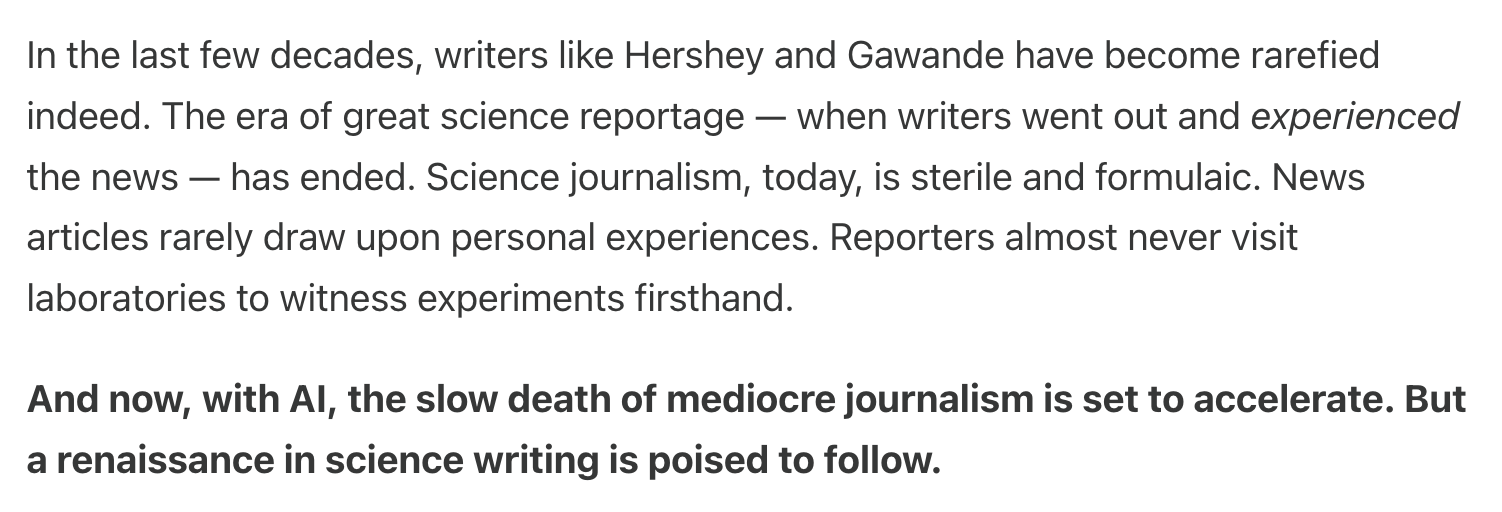
Writing is the lowest-lift way that scientists can pivot into telling their stories. But beyond this, I think there’ll be a rise in other mediums: video, photo, research-based production studios; and platforms that will enable this (I elaborate more on this in the next piece).
A Pattern is Emerging
Tech companies and VCs are already pushing their teams to adopt mainstream storytelling. It’s now normal to see massive video production budgets for a launch on Twitter; there’s a rising number of production studios geared just for company narratives and launches. Technically trained directors and producers are becoming highly sought after, with those in my immediate circle landing a minimum of $50-100k per video.
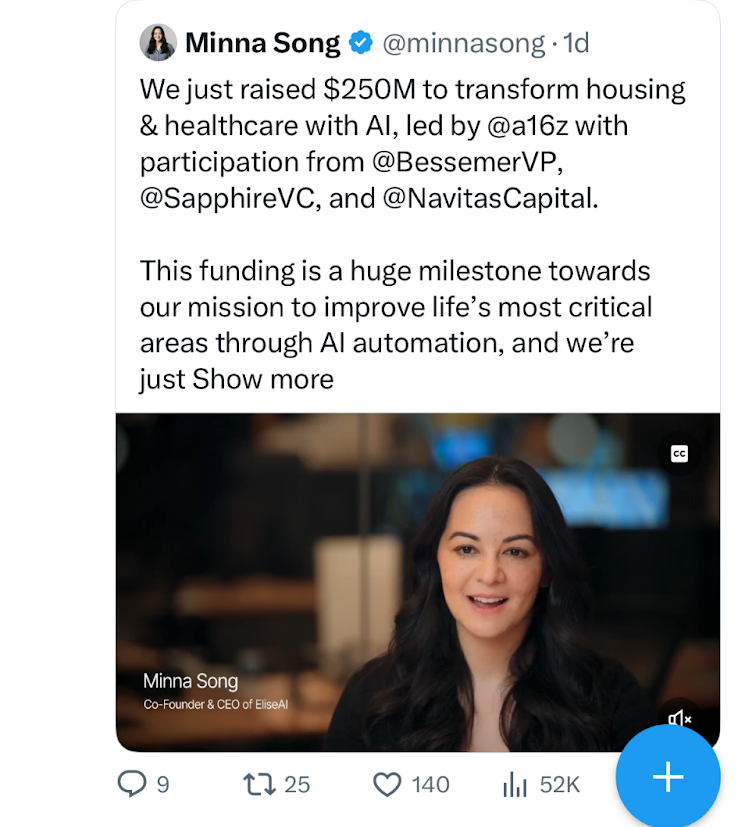
In the investment world, fundraising has evolved beyond a coffee chat and deck between a funder and a founder. The ability to predict who has money, power, and influence to shape the future of your venture, project, or research isn’t as clearly cut. Just keeping to a small circle of people who are “supposed” to “get it” can get you places, but increasingly shorter distances.
When you’re not sure who you can reach, it sure as heck doesn’t hurt to cast the net wide, and fish from there.
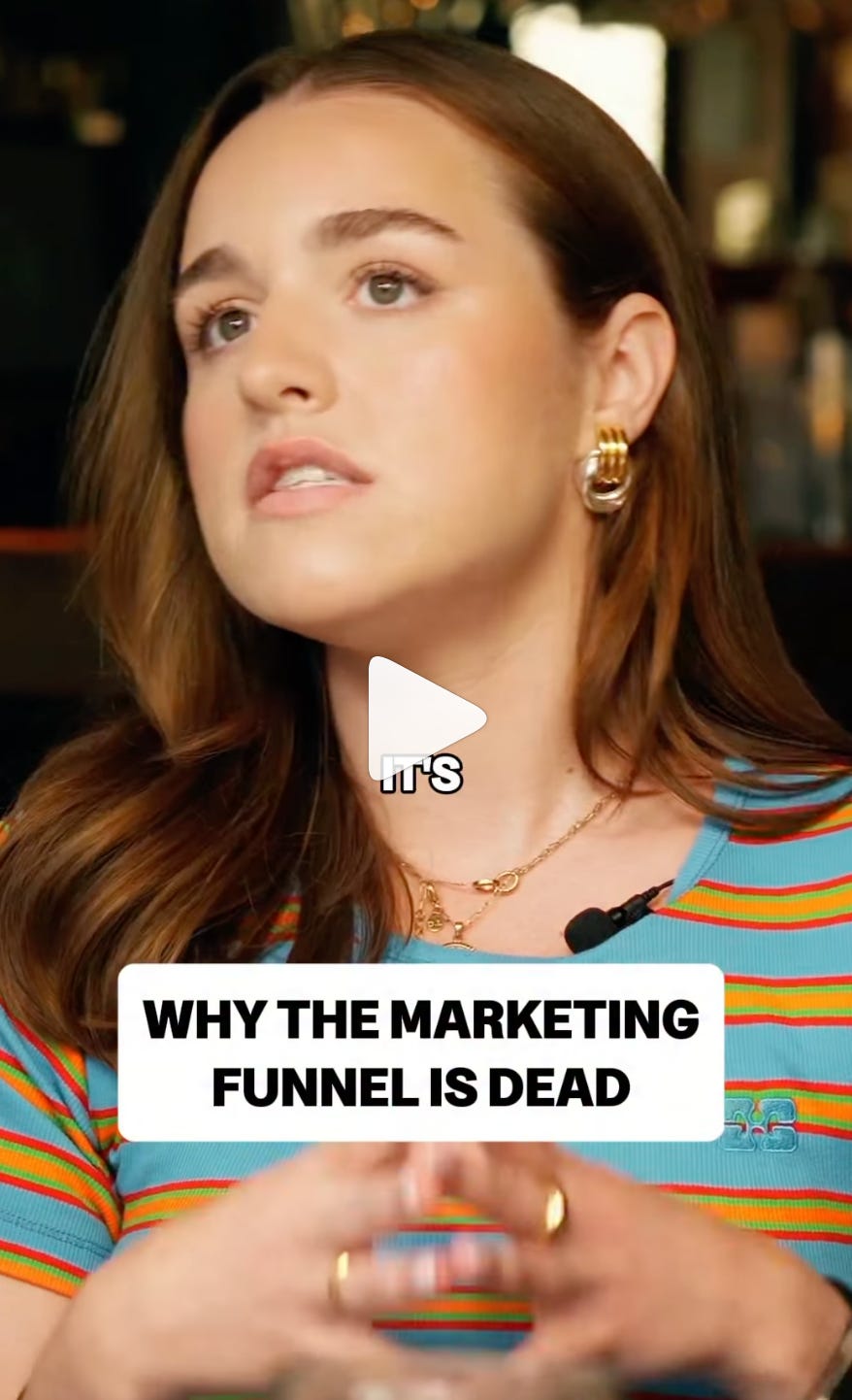
If you think this reasoning can be ignored in research, you’re wrong.
Just three days ago, my s/o gave a talk to the portfolio companies of one of the top Tier 1 VCs focused purely on video marketing and storytelling. This is a firm that invests significantly in research-based companies — they are actively pushing their companies to tell the stories of their founders, products, and backgrounds in creatively unconventional ways — to stay ahead of the curve before it becomes oversaturated. This is an extremely important signal.
My hunch — and the grounding force for this whole piece — is that in a climate where research teams are seriously beginning to enter the arena for private, non-grant funding, the rules change. You have to speak the language of private capital to run a fair race for private capital. You can no longer publish and hope the right committee, the right grant body notices. It means competing not only on technical merit, but on narrative.
And in this new climate, power will shift toward the researcher who can tell the clearest, most compelling stories, who stand out early, and who build visibility before attention fatigue sets in.
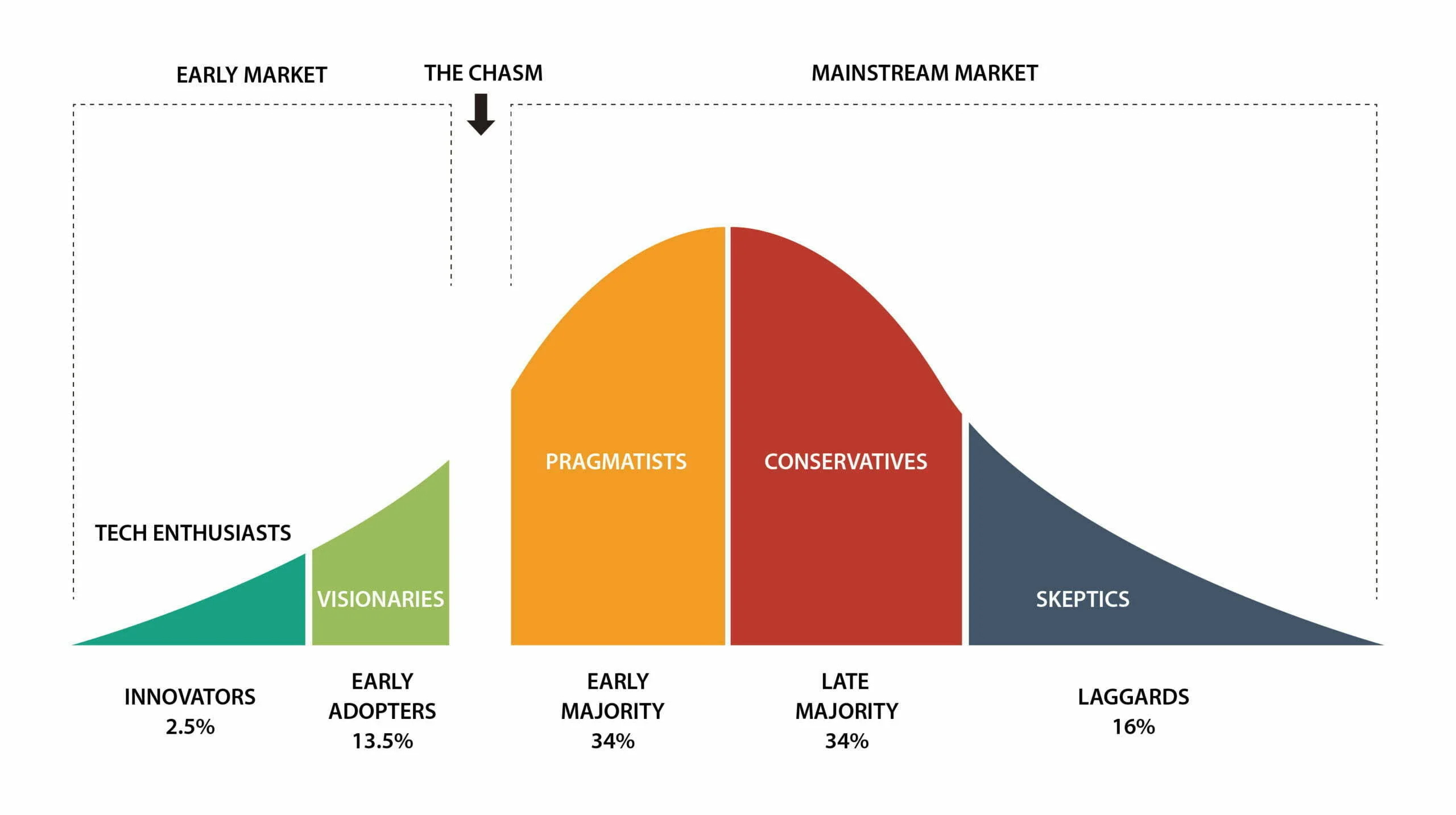
I specifically use venture capital as a comparison because historical precedents give researchers a huge incentive to watch what happens in tech.
The very existence of venture capital is a prime example. Since the 1970s, tech and VC have been practically synonymous. Research—especially in biology and the life sciences—was one of the last industries to catch on, with biotech remaining in a funding trough until around 2013, more than four decades later. Genentech is often cited as the first real biotech VC investment, but even there, Herb Boyer was initially deeply uncomfortable with entrepreneurship. The company only came into being because Robert Swanson, desperate to salvage his career, pushed commercialization onto Boyer. At the time, it was an edge case, not a cultural norm.
The slow uptake had consequences. You can still feel them today: PhDs who see leaving academia as “selling out,” only a small handful willing to spin out their work, and Technology Licensing Offices (TLOs) that are still clustered at a few elite universities where startup culture has already taken root.
Teams that do try to commercialize are inevitably measured against tech standards — and almost always look smaller, slower, and riskier by comparison. Teams I’ve worked with (again, largely in biotech) struggled with 90% of VCs and family offices, not because the science wasn’t good, but because the pitch didn’t fit an investor’s mental model. That’s what lag looks like: decades behind, and still fighting uphill for attention and capital.
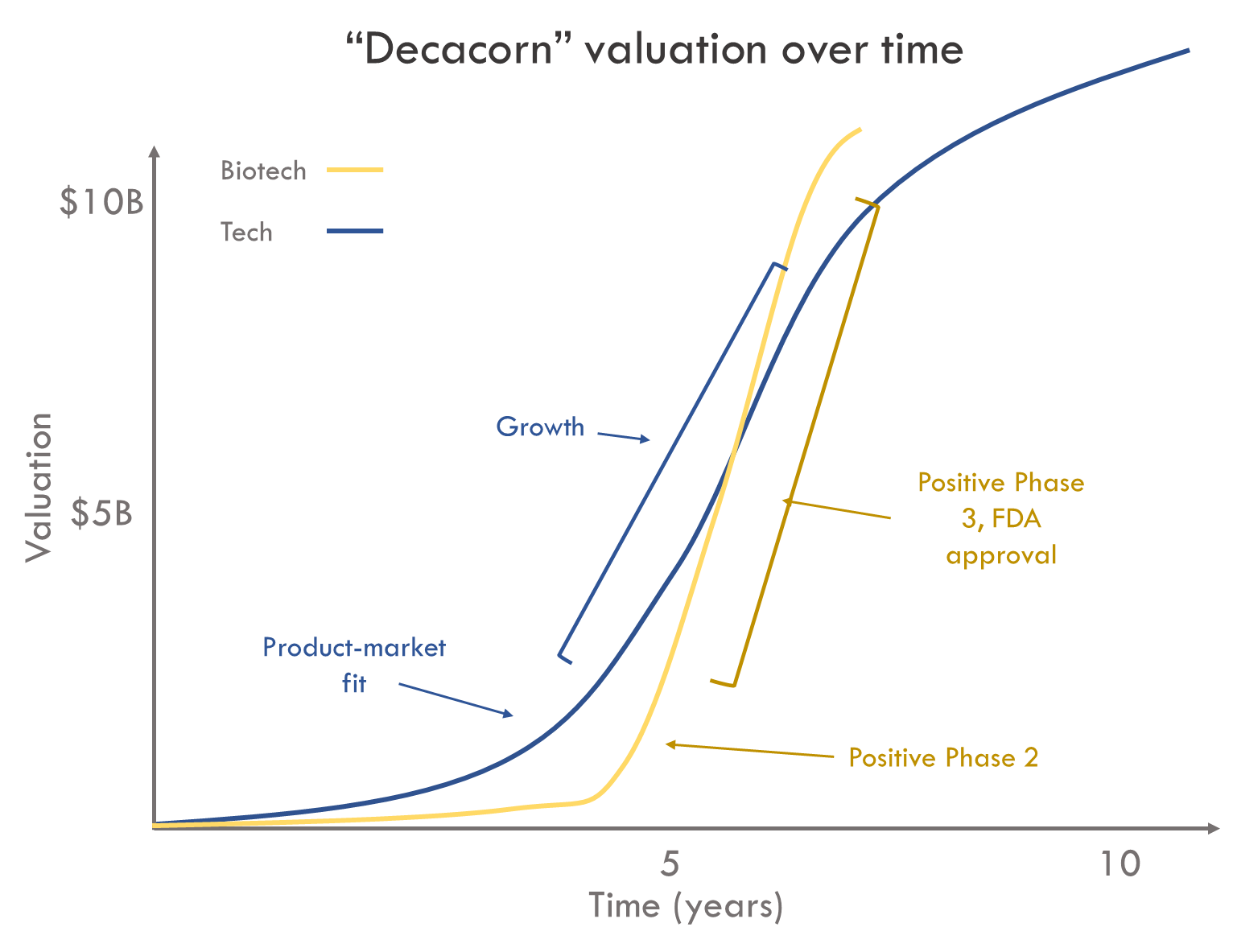
When research lags behind cultural norms, the effects last for decades. The question now is whether research will let itself fall behind again, especially when the cushion of public funding is deflating. In a world shifting toward private funding and narrative-driven capital, can research afford to wait — or will the work itself run out of time?
The marriage of research and dynamic storytelling is already beginning, in more ways than one.
You can look at AI research as the child between research, tech, and media. Anthropic’s Societal Impacts of AI team is my favourite example of excellent storytelling to highlight their research group – they dropped a beautifully produced video that felt like A24 meets academic seminar. It made you care. It made you want to learn more. It showed you the people behind the work, that social sciences research is more than just spreadsheets and guesswork.
You see the same logic in companies like teams like Benchling (with the Transcribed series) or Imbue (with the Generally Intelligent podcast). One is a cloud-based life sciences R&D platform, the other is an AI research lab. At first glance, neither has any reason to bother with creative storytelling — they could just focus on their technical work. But they do, and it pays off. It gets people talking. It exposes them to a huge network effect. They’re recognized not just for their products but for their names, their people, and the stories they tell. They’re not lost on culture — and that makes them legible in a way that purely technical teams aren’t.
Even research-heavy institutions like DeepMind and Google X’s Moonshot Factory, are leaning into personability and storytelling, baking it into their teams and brands. You’d think they would shy away from it from fear of giving away their alpha, but when done right, it works. It connects them to an excited audience: young researchers who want to join, investors who see the vision, and a broader, intelligent public that actually discovers their work, writes about it, talks about it.
Even individual scientists have proven the point. Whatever you think of Andrew Huberman, the man built a visual and written platform so strong that he never has to worry about funding. People pay for his content, he’s legible to millions, and he can run almost anything he wants. Visibility matters.

And Huberman isn’t the only one. Steven Pinker. Hannah Fry. Even the popularity of ArXiv as a platform could be read as a storytelling tool — an infrastructure shift that makes research more accessible and visible.

If you (researcher) don’t own your narrative, other people are itching to do it for you. They see the opportunity in your work. The difference is whether you are the one telling your story, or if someone else is.
Thousands of new editor shops and production studios are spinning out to serve this market.
Entirely new formats of storytelling are emerging. TBPN carved out a “sports-meets-tech” niche by joking about AI researchers like pro athletes.
Diverse, big players like A24 (studio) are experimenting at the intersection of research, film, and brand.
Podcasters by the dozen pulling research into new audiences. See Ashlee Vance.


So why should scientists themselves be the ones at the helm?
Technical acumen. Nobody understands the work like you do — you’re best positioned to tell it right.
Personal voice. People care about the humans they’re supporting, not just the abstract project. Most science journalism is now a sanitized dry spell. People aren’t excited anymore. But when it comes from the source? That’s new. That’s exciting.
Access to funders. A clear story widens the pool of possible backers, from traditional grantmakers to edge-case philanthropists. (At ARIA, for example, the thinking is often “people, then projects.”)
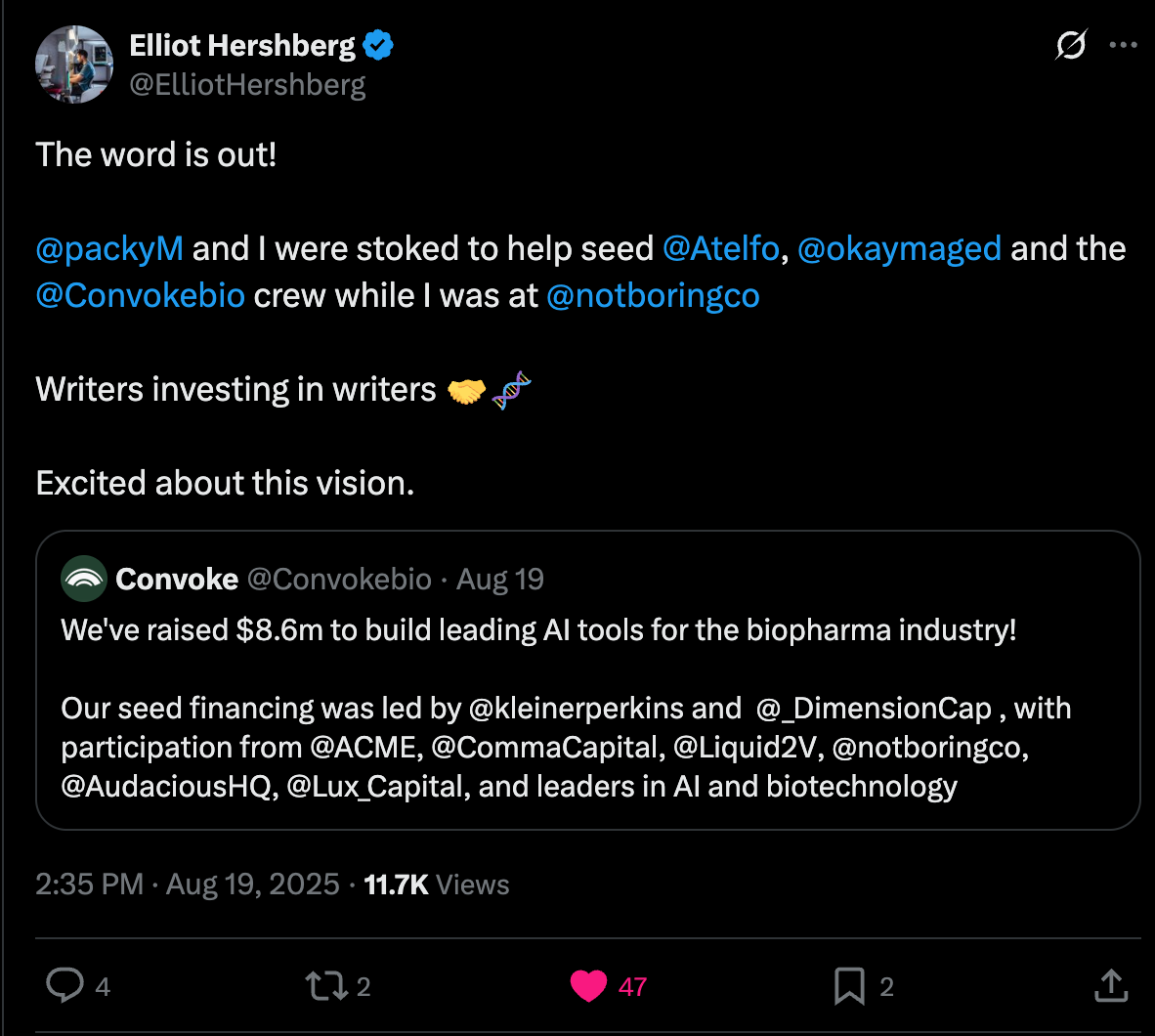
Creator economy crossover. The creator economy is mature enough now that prominent creators (Colin & Samir, Paige Finn, Packy McCormick) are in positions to back other creators. If they’re willing to invest in storytellers, and the title “creator” is flexible, why shouldn’t scientists — who have both credibility and narrative — be included in that bunch?1
The good news? We’re still early. But like with VC in the 70s, slow starts will catch up. The researchers who are able to sustain their projects in a volatile funding environment will be the ones who spotted the opportunity space early on.
I’m saying this mostly to the younger career researcher — the one who’s just starting out, thinking of commercializing at some point (but maybe without a thing to commercialize yet), being thrown into a research world where the financial and messaging paths are muddied.
You’re already tech-savvy. You already consume streams of media. There’s a real curve you could catch here.
Even if you don’t have a lab yet, even if you don’t know what you want to specialize in, it’s worth building a foundation in who you are.
Just last week I rabbitholed into Jade Leung’s (the new UK Prime Minister’s AI Adviser) entire PhD thesis — fully available online. That’s open science as a story: a piece of work that became part of her long-term narrative, and a record of her craft and acumen from years prior. Researchers are going to need more of that kind of “pull,” because it’s the stories that will follow you, open doors, and keep people caring.

In Part 2, I’ll sketch what this could actually look like in practice — the tools, formats, and habits that can make researchers legible without feeling cringe.
Maybe I’ll write a Part 3 on the incentives that creator-funders could have on backing researchers.
Oh wow, this is so interesting. I’m a scientific illustrator and never thought about science and art mixing in other ways. What a time
Apart from marketing, though, what else is the “language” of private funding? Is there anything else that research labs have?
I’m wondering how they’d even begin to fund this type of marketing, if they were to agree with this reasoning