


Welcome to the Dossier — a series of oral histories in transcript, image, and artifact.
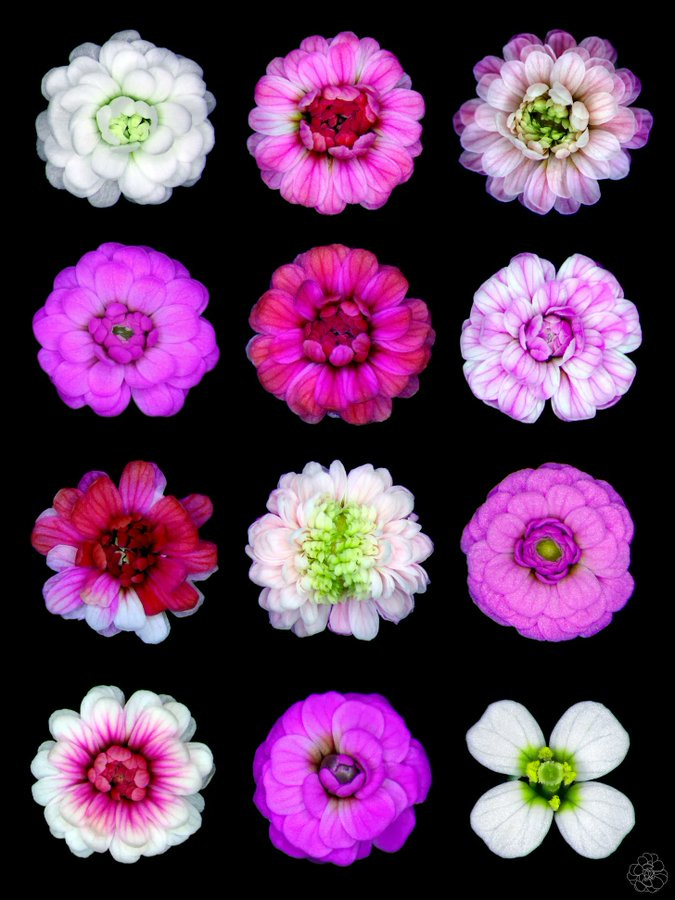
Nick Desnoyer is a bioengineer-artist who treats flowers not as subjects but as the medium, coaxing new pigments and forms with the technicality of bench-craft and precision of a painter’s eye.
He is committed to creating art in the open, letting curiosity set the brief and momentum come from the craft. He was kind enough to be our first researcher-creative feature at The Distressed Scientists’ Department, and our conversation was as vibrant as his blooms, wandering from bioengineering to Pokémon to pursuing the thing you can’t not do.
Thank you, Nick!
You are the epitome of an artist and a scientist. I'm curious what sparked you to begin believing this was possible? Among young academics, there seems to be a very big risk aversion, a fear, to exploratory side projects, let alone spinning it out. Where does that confidence come from?
I have complete zero fear. You have to be fearless in the pursuit of the thing that sets your heart on fire. For me, that’s this project.
I was rabbit-holing down your website, and it shows the love you have for the craft so viscerally. I think a lot of it comes from the timelapses, the videos that show the process. It made me wonder why video isn't more prominent when researchers are trying to communicate their work.
It's really time-consuming. But I've also wondered that exactly – when you publish something, you go to a conference and then present, and during 5-10 minutes that you talk about the project, you distill out the most important parts – the parts you're actually passionate about.
Anything visual, like video, is much nicer than reading a paper, in my opinion.
I was just talking to my roommates before this – it would be so cool to feature my work on a YouTube channel, a DIY style video, show how I come up with the design of the flower, the intermittent time lapses, pipetting, DNA editing…it feels so nostalgic.
Is that what your process is like?
I'm like an octopus with five arms. I start with the conceptualization of the plant designs, then the constructs – the molecular cloning, and then what I call plant handling, which is growing the plants, gardening, floral dipping them, harvesting seeds, and cataloging all of that.
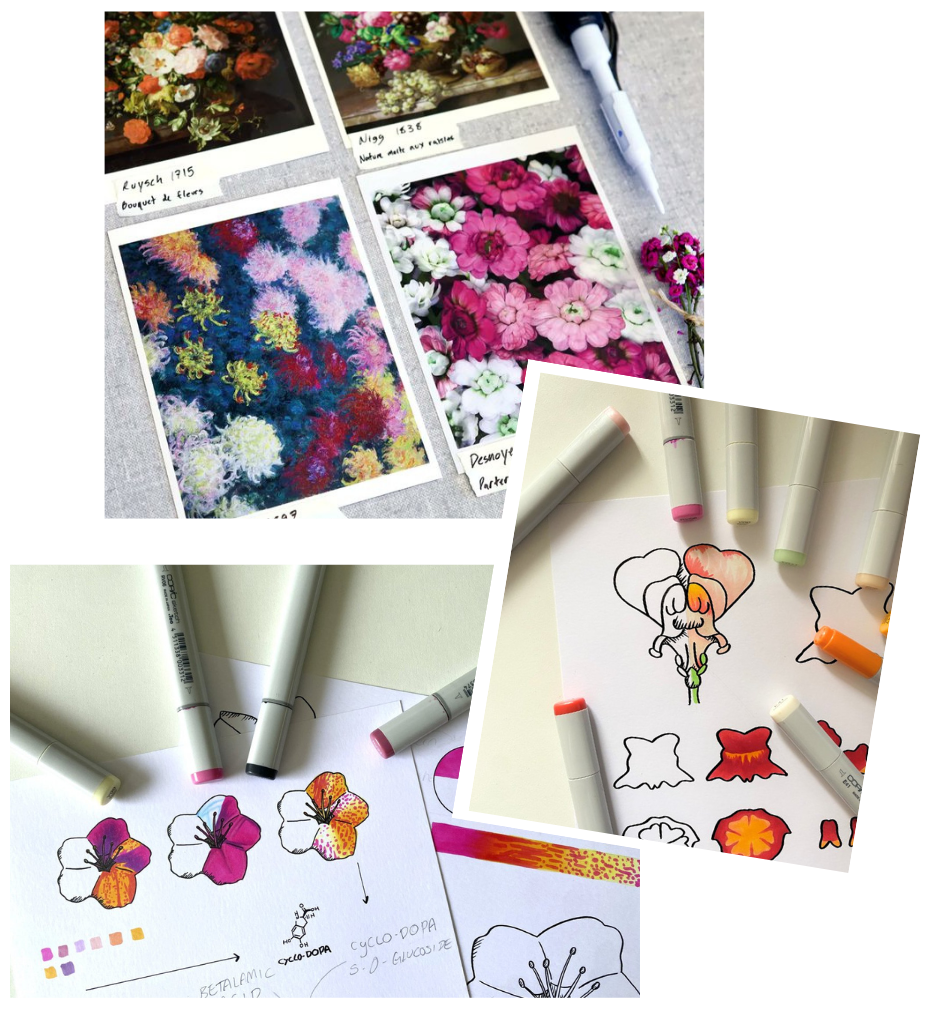
I use those as the basis for artwork. So that's microscopy of the plants, photography, time lapse or digital arts like animation or vectors. And then marketing, which is making websites, Twitter posts, t-shirts, and collaborations.
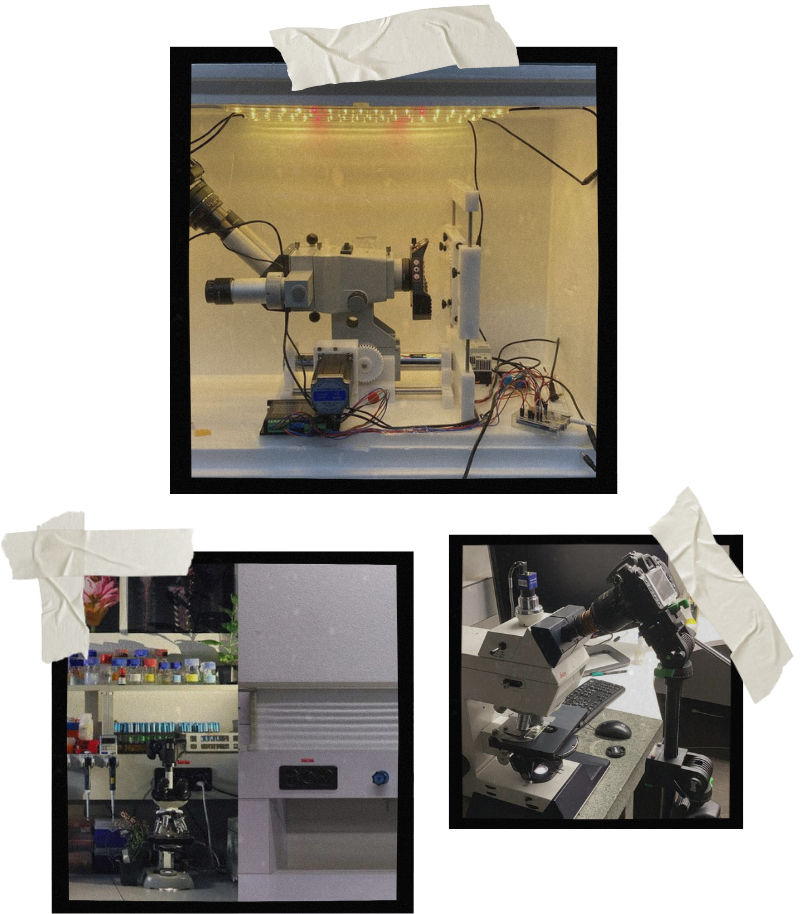
In Zurich I was doing all of these things as a hobby, and it became a lot to juggle on top of my postdoc. So I moved here, where I spend most of the time actually in the conceptualization part where I want to be. And now I come up with plasmid designs and delegate the cloning to a dedicated team. I could do it myself, but it just takes a long time.
Lately I've been doing more art than science. It’s a fine balance.
How do you start with your designs?
I started with arabidopsis [thaliana] because it has all the benefits of a model organism – a lot of phenotypes are already there. I have an illustrator file called the Floral Roadmap, where I just dump everything, all my ideas, and then sometimes piece them together.
At the beginning, I was keeping it all up in my head, until one day, I was like, wait a minute. This is the start of a really long project. I should fully document the domestication process so that if, in 30 years, arabidopsis becomes an ornamental flower, it becomes the first fully documented domestication.
I also want to make stuff like this to inspire people. To show them what one person can do. Sometimes people ask me what scientists inspire me the most. And honestly, I don't know too many historical scientists.
My inspirations are almost entirely artists or game developers.
For example, there’s one game called Stardew Valley. It's relatively simple, but incredible because one guy did it completely alone, in his room over the course of five years. When you play the game, you can feel his heart and soul. It’s so much more than just a video game. It inspires people. That’s what I want to do.

Which part of this project excites you the most?
I would say the impact of the project. It’s something bigger than me. We’ve made some t-shirts and stuff, they're all cool. But I like thinking at a larger scale. This is the first time throughout all of human history that flowers aren't just the subjects of art, but they're actually the medium for the art.
I want observers to form a relationship with the plant that's on a deeper level than just appreciation.
It’s artwork, but also gets a conversation rolling. If you look at this second post I put on engineering the arabidopsis flower, and you look at the comments, it's super interesting how people react to it.
Some people are like, “oh, what a pretty flower.”
And then there's other people like, “you're starting like the zombie apocalypse!” Not everyone likes it, which I actually think is cool. If everyone likes your artwork, it might be mediocre.
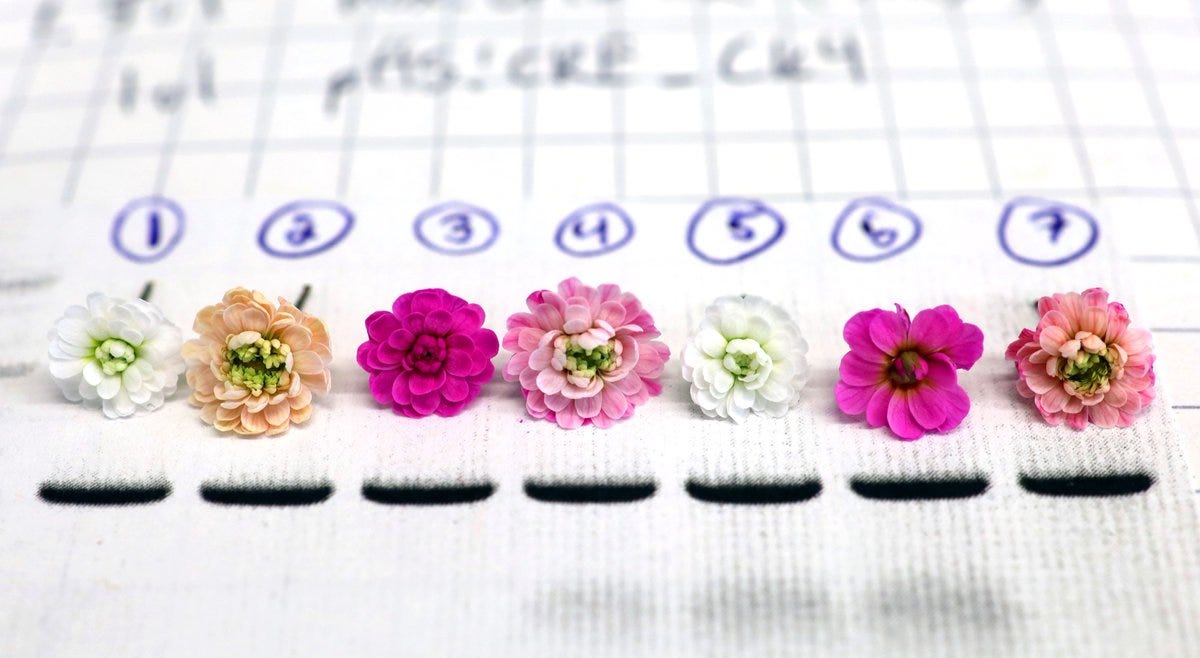
I want to make artwork where people question. What is beauty? Why do we look at the version that's been CRISPR edited and say it's more beautiful? Well, in my eyes, it's more beautiful. But for someone else, maybe the original is more beautiful.
That's very much like the artist's mindset, right? Sitting in controversy and taking it all in. I think of Banksy, some people hate his work, some people love it, it gets a conversation going. What's the discourse you've gotten from scientists and researchers?
So far, from the scientific community, it's all been really positive, which I'm quite thankful for. A lot of times when people try to interact with the public, you have to exaggerate things. Personally, I don’t think you should be factually incorrect to catch people's attention. So I've always been very careful to maintain my scientific integrity, and I think because of that, on the science community side, it's been very positive.
Like I was saying, one motivation is to make art with social impact - get people talking about the ethics of gene editing.
Then there's a second motivation, which is promoting education and arts, and art in science. For that, I want to provide open access tools for universities to get people hands-on with genetic engineering in a very safe way on a short time scale.
So that means doing experiments with a petal where you add light, or heat, or a hormone and it changes the form or color of the flower. I imagine a university that feels like Hogwarts or something…you walk into a greenhouse, microscopes everywhere, Hogwarts music is playing.
I love that. On your point on modifying art and science. Do you see Ghibli-fication with AI as a similar vein to what you're doing – as a way of modifying what's already there and adapting it?
Obviously, it’s not an exact comparison because flowers are not anyone's creative intellectual property except for nature. But it is a pressing example of science coming into the creative world. Some people aren't very happy about this, but there's also another camp of people saying, this is just modifying what's already there and making it more accessible.
Wow, that's super interesting. I don’t think prompting ChatGPT for a picture of yourself in the Ghibli aesthetic is art, though. Maybe it’s visually appealing, but art needs a feeling that comes with it.
When I watch a Studio Ghibli film, I get the feeling. When I look at an AI-generated picture, it's not the same. I think the same with my work. I think the art is still there. There's still the intent and yes, I'm using knowledge from others that came before me.
I'm very transparent about that. I'm not “discovering” anything. I'm just putting them together in a very aesthetic way. It’s how science is. It’s what people have always done, I've just marketed it really well.
The hardest part of the project wasn't even technical. It was being creative and fearless enough to just say – this is what I want to do. For a year, I thought this wasn’t going to go anywhere because I was writing grants that were getting declined.
I got quite lucky with the place I'm at now. In fact, a lot of people at the Sainsbury Lab, they're very into open science and putting things in direct connection with the real world.
I think most fear comes from being afraid of not being accepted by the scientific community, because that’s ultimately what leads to success within academia. Everyone has to like what you're doing.
That realization was a rude awakening. I was thinking – I love science so much, I love what I'm doing so much. I want to do it for the rest of my life, but going down this path, I may not be able to do it. [beat]
Around this time, I listened to a podcast that was saying lean into your unfair advantage.
I think about that with everything in my life. If you identify problems in your life, ask yourself – how can I spin that into an advantage?
I had public social media, where I could post cool forms of art, and build a voice for myself online. And it really paid off. There was another podcast too that said if you spend 10,000 hours on anything, you'll be successful no matter what.
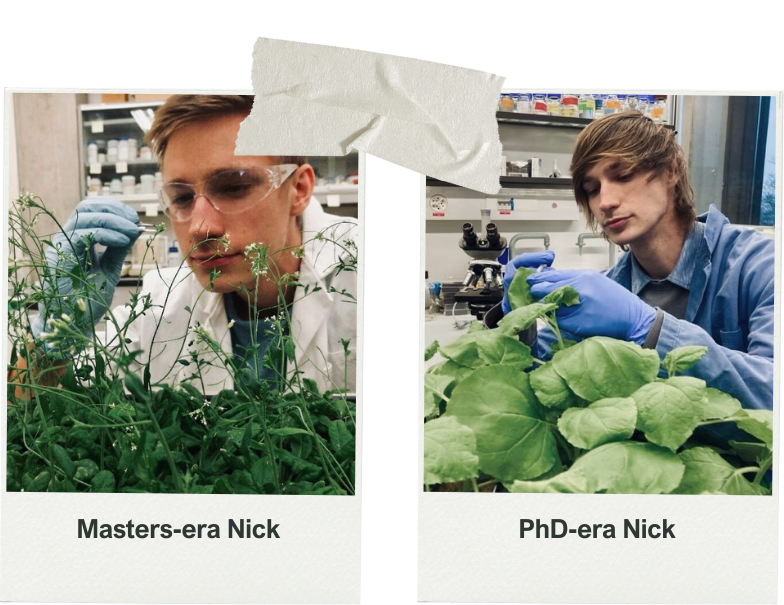
So every week I would post a different kind of artwork on Twitter, whether it was a plant time lapse or some chemical phenomenon using reagents I found in the chemical room.
It’s funny, because on the night of my PhD defense, I also had an art exhibition. So I defended my PhD, and that same night, I had a gallery in the room next door where I tried to highlight all of the scientific arts that I had done. It was disjointed, but I found that people really gravitated towards flower design.
That’s how I’ve approached most of my career, actually, finding a lot of things I found interesting and then narrowing it down.
One of my other favourite video games, it’s called Kingdom Hearts. They have these Final Fantasy characters, and they go to different worlds. That’s how I like to live my life – moving around every few years, having new arcs to my story, making friends along the way, like in the game.
Poptropica was the equivalent of that for me as a kid. Also, Final Fantasy X (FFX) was my favourite game when I was, like, 10.
Oh, wow! The guy that made FFX (Tetsuya Nomura) is one of my biggest inspirations. I wonder how I can be like him, the mirror of FFX in biology.
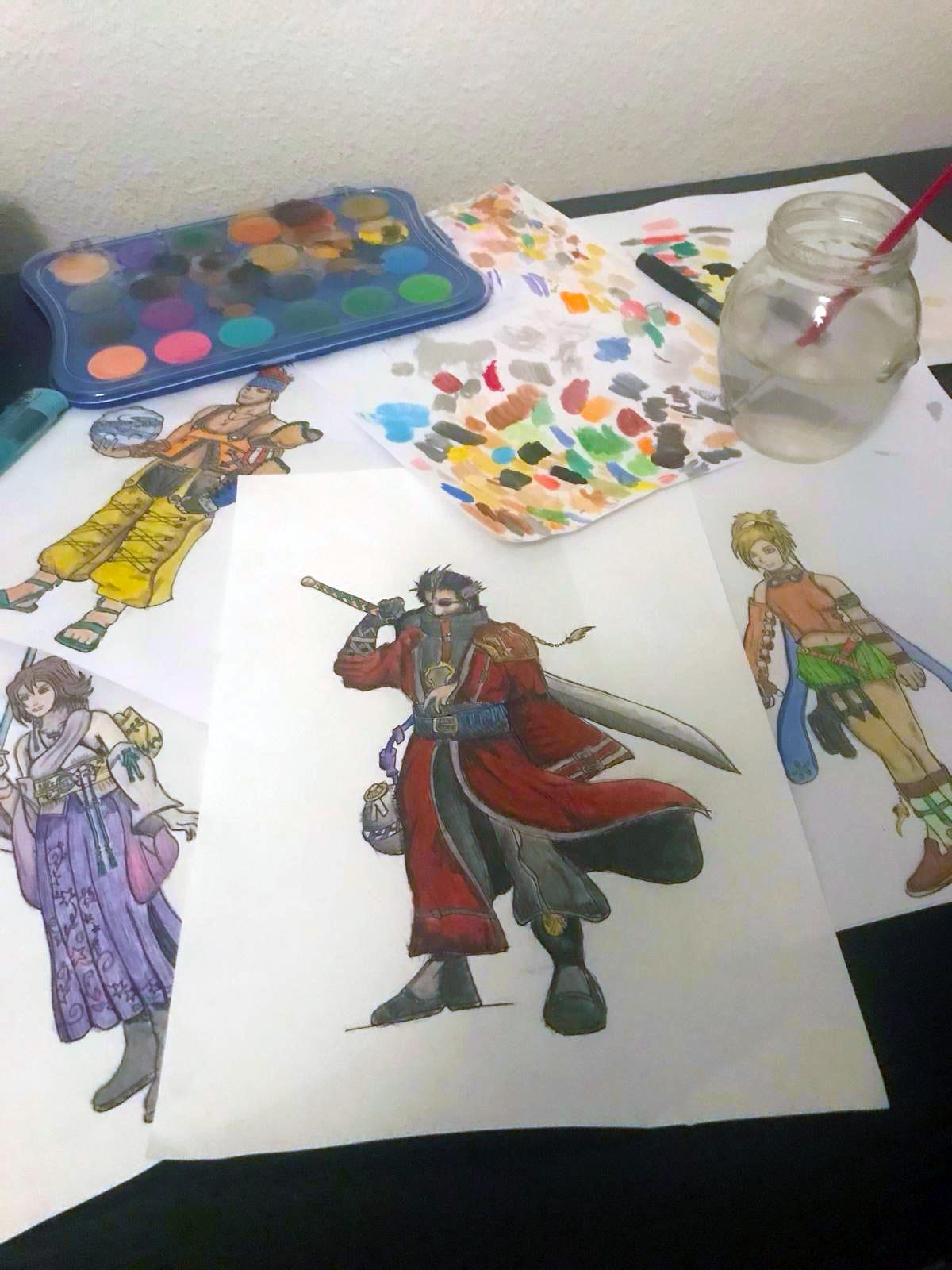
And now I think I’ve finally found my niche. It was also the first Twitter post where people – venture capitalists – reached out. That was a spark that showed me people might be interested.
You talk a lot about connecting with the public with heart and artistry, which I think is something that a lot of scientists don't do. But also, what's fascinating to me is you realized pretty soon that you weren't going to climb the same ladder rungs that everyone is.
I think about that a lot. [pause] Why me? Why am I the person doing this? There's tens of thousands of plant scientists.
I think it was the culmination of my environment, me being me.
There's some beauty in that, in how I got here. The flower project is so beautiful. And it's bred from that experience a little bit.
Why did you feel an academic lab was the best place to take this project?
There’s nuance, but it would be challenging to do this project in a company.
With the future of lab automation, it feels like the constraints that would pull a researcher to stay at an academic lab are fading. What do you think that’s going to look like in the next 5, 10 years?
I think there's too much hype around lab automation. It works for things with replicates where you're doing a high throughput screen of treating a drug on one certain cell type, but when it comes to trying to engineer a new type of flower, there's so much creativity and technical skill involved.
It’s one of the few things that’s irreplaceable by robots in my opinion. But with automation, I felt this coming. There were so many people spending time making graphs in R studio, these small bioinformatic things that would take them weeks. I thought: this just seems like a time dump! Nowadays you can just ask ChatGPT to write you the R script.
My whole undergrad was basically learning R.
I couldn’t even tell you how many times I tried to put an asterisk over a certain bar, and then realized it was easier in PhotoShop. Painful.
Have you found a community of people who you think are motivated by the same things that you are also seeing the intersection of science and art? Or do you think it’s still a one-man show?
With regards to biological engineering as an art form, it’s a one man show. There’s one other person who is relatable – Sebastian Cocioba. He’s another flower designer in New York and he has his own home lab. He’s been doing this for a long time.
In terms of finding people interested in both science and art – there’s a whole community, tons of people. In terms of finding people like that, one of my favourite questions to ask biologists is: “if you weren't a scientist, what would you like to be doing?” And the answer is often art.
But also I think that's just a human thing. Art is maybe the greatest thing a human can do to express themselves and have that expression relate to other people. Maybe our final frontier on this earth is to express ourselves, communicate, make arts and do creative stuff.
I mean, I’m still doing research in the lab, I’m reading papers like crazy. I’m still at the bench. It’s just the application isn’t a cancer treatment, it’s art.
I think there's very few people who are doing research with the application being art or beauty.
Apart from plant biology and engineering, is there any other field that's adjacent that you think could see the rise of the researcher-creative?
That's a super good question. I've thought about that a lot. What are the ethical implications of moving [this project] outside of plants? What is even the feasibility of it? One thing that kind of scares me, and I’m not sure how I would respond to this, is that there may be someone that sees my work and starts doing stuff in fruit flies.
Or if you look at butterflies, there's a lot of mutations that change their patterns there. You could do butterfly engineering – it’s really cool, but then it starts to get into a gray area, because that’s an animal now. What are the standards that we need to apply to say what kind of engineered art is allowed and what isn’t? I think a lot of people would say it's whether they feel pain or not. But then that leads into – what is pain?
What are the rules that we should set in place for what can be biologically designed? You’re the first one to the field, so you could set the standard.
That's super interesting. I'm slowly making a book that's like a guide to flower design, taking inspiration from nature. That could be an interesting chapter, on ethical implications and maybe set like commandments.
Sebastian has a commandment that Those that Feel Pain Shall not be Edited for Frivolous Purposes. Rule number one. [laughs]
One of the best things I'm hearing from you is you don’t pursue research for the sake of an expected output.
Yes. You should follow what you like. Everyone wants a job where they do exactly what they love. So what does it look like to get there? Just start doing the things you love and have conviction that it's going to lead to something.
If you aren't doing what you love, what's the point? That was my speech for my PhD thesis. At the end I was like, if you don't love what you're doing and you're not having fun, stop doing it.
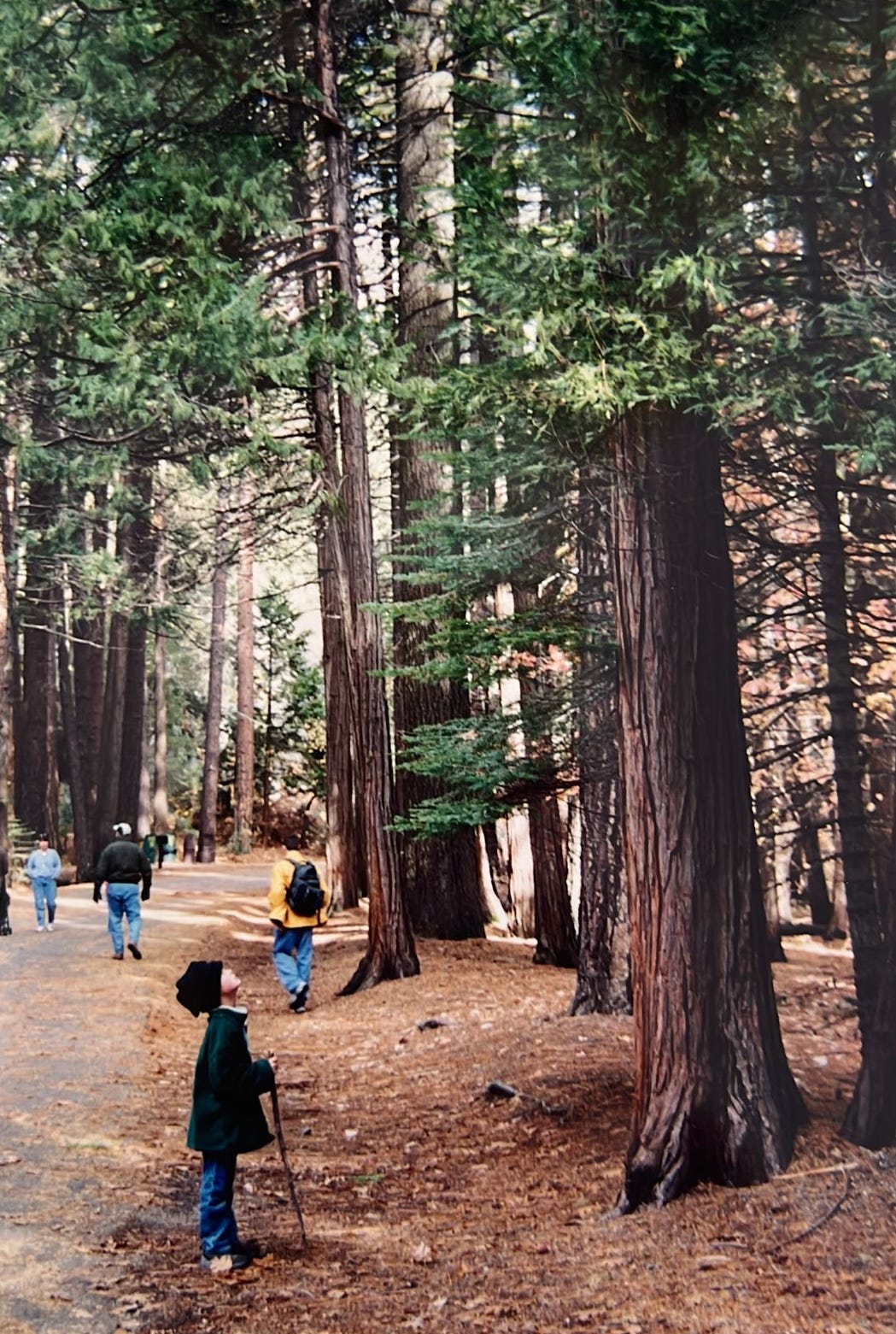
And that resonated with a lot of people. So many people that night were like – I can't believe you just said that in like an academic room!
I don't think everyone can do it like I'm doing it though. If everyone decided to just do flower design for art, tomorrow science wouldn't be, it wouldn't work.
Earlier you mentioned that you had VCs interested in backing this project. Why’d you turn that down?
I was exploring the idea, but they were looking to build a team that brings a product into market within two years.
For one, that's an unrealistic timescale with plants. I'm not gonna be able to make an amazing flower that people can buy within those two years, but also I can’t pass all the regulations and everything.
That selling point is also not what the project is about. I would like to never sell these flowers. One of my goals is to never sell a flower.
If I could snap my fingers and all plants were free tomorrow, that would be amazing. When I left Zurich, I had a hundred plants that I had propagated. I gave them all away to my student house, which has 200 rooms. I saw everyone pick the plant they like. Some of them still show me how they’ve grown.
If you never sell the flowers, the value of them actually goes even higher.
I kept telling them [the venture capitalists] that. I'm like, there's definitely something here, but it's not what you think it is. I'm going with what I had conviction about.
What are the forms of support, then, that you think would align? Would this be like a museum exhibit? What does that look like?
Yeah, for sure, these will go into exhibitions! Actually last month, I came up with my first three art pieces that will hopefully go into a gallery. Two of 'em were in the Asimov Press article.
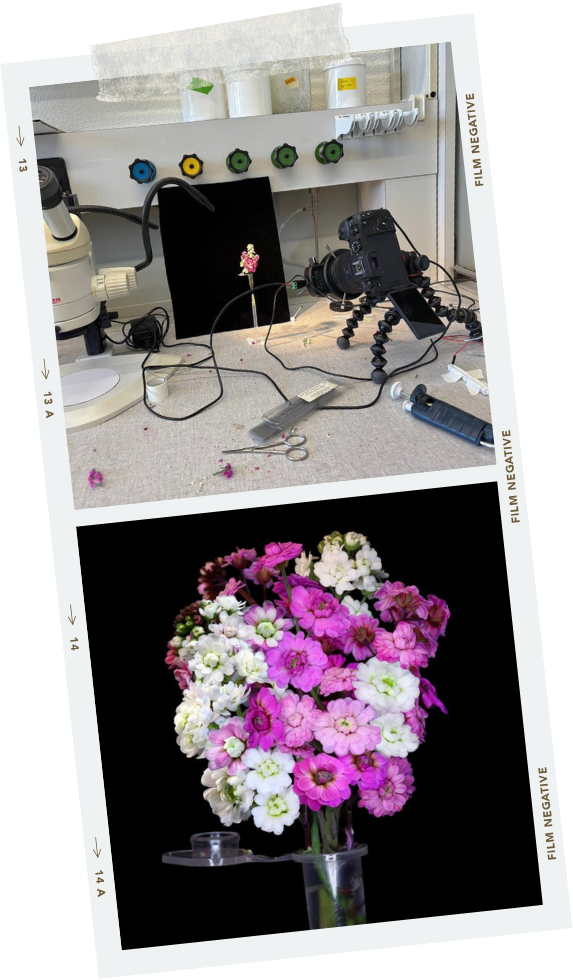
I had this other idea in mind – a sculpture made of cells – but you see every single cell. If you've ever seen petal cells under the microscope, they're these cute little bubbles. So it just looks like it's made of a hundred thousand little tiny bubbles. And you're like, what the hell is that? People aren't used to seeing the cells within a flower.
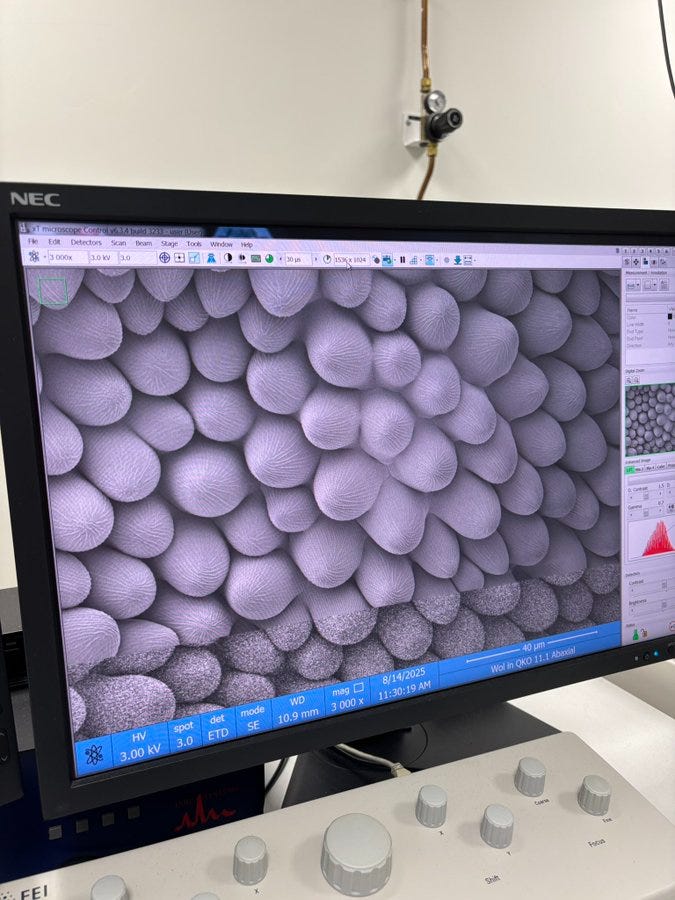
It’s super cool, being able to manifest that kind of thing. I love that.
That's epic. How do you come up with these ideas? Do these visions just come to you?
It sounds super cheesy, but there are these visions that I get in the shower or while I'm about to go to bed at night, where I see it in my mind.
And I get so obsessed with bringing that into reality. That's all I can think about.
And even beyond just the design. I genuinely would love to have open flower studios where – imagine this – you walk in, you're like – how old was Ash [Ketchum]? I think he was nine years old when he first got his first Pokemon. So you're nine, you walk in, and there's like a tulip and like a peony or something. But they're all white like flowers and you get to pick your starter, like how you pick your Pokemon.
One of the strifes that we both have with traditional capital is when they apply B2B SaaS timelines onto research that is done in the lab. What would you tell someone who wants to support you financially in some way? What are the values they need to have?
They need to be aligned with the artistic vision for sure. If they don't catch that, if they're just focused on selling the flowers, it won’t work. It’s about the paradigm shift in the history of flowers.
I’ve realized that if I don’t find people who are aligned, I'm just fundraising in the wrong spot. But honestly, I haven't focused at all actually on the funding part. I believe that if someone really loves the project, they'll gravitate towards you.
So I'd rather put all my focus into just making the coolest stuff possible and the people that align with it will naturally come. It’s like finding a romantic partner. Don't go looking for them. Just try and be the greatest version of yourself and they'll come to you.
I would hope that we get to a point where science is an art form. That's what I was saying about how the art of the project is a bit misunderstood, self-expression isn’t about the color or aesthetic. It’s not, I feel sad, so I'm going to make a gothic flower. Or I feel happy, so I'm gonna make a sunburst flower.
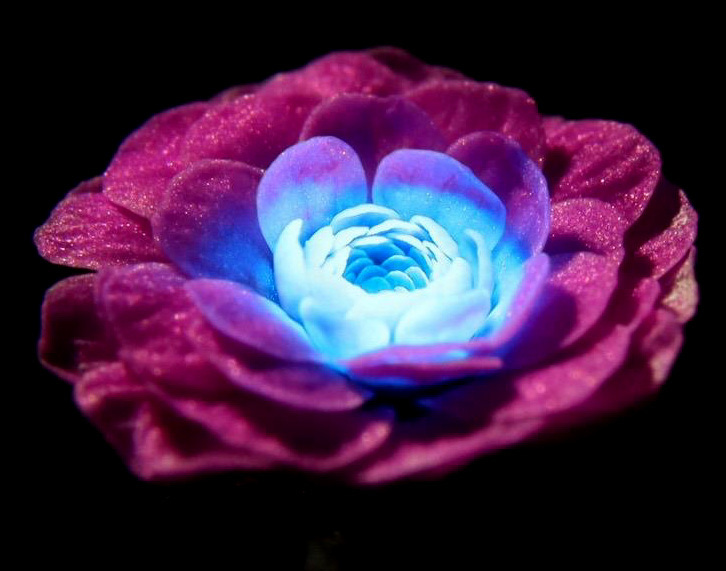
That’s not it at all! The art and self-expression lies in the bonding with the medium [the plant] and interfacing with it on a deeper level. I love nature so much and want to learn so much about it. I want to learn everything under the hood with this one specific flower.
It’s like my potter's clay. It's like my Pokemon. My Pikachu.
I would be really excited to go to your wedding someday. The florals are going to be incredible. The last thing I wanted to ask you is: what is a question you would leave for the next guest? A researcher, maybe a postdoc, someone who's in your position.
What is your dream in life and why aren't you pursuing it?
Lex Friedman always asks at the end of his podcast: what do you think the meaning of life is? And that gives a really good insight into what people value and everyone has their own sense of meaning. So that's always a good question.
If they’re a researcher, I’d say there are so many benefits to treating your work as art. Some of the greatest scientists in history just saw their work as art. I’d challenge biologists to see themselves as artists, or maybe they already do, and to take it to their next level.
Incredible. Nick Desnoyer, everyone.
Every time I come back to your Substack, I’m blown away by how much your writing and interviewing improves. Just when I think it can’t get better.
Thank you Jolie and Nick. This is fabulous.
Hi Jolie, another wonderful read and interview! I think chasing dreams one step at a time is so important. I also liked how you touched upon the differences between VC expectations and academia expectations.